
Reduces winter heat loss
Uninsulated brick veneer walls let heat escape quickly in winter. Cavity insulation slows this loss, keeping living areas warmer and reducing reliance on heating.
Lower Plenty
Cavity wall insulation for brick veneer homes in Lower Plenty to cut winter heat loss and draughts through external walls. Expert Insulation Melbourne installs it with minimal disruption to your home.
Share your details and Expert Insulation Melbourne will contact you about Cavity Wall Insulation in Lower Plenty.
Cavity wall insulation fills the gap between the inner and outer leaf of brick veneer walls with an insulating material. In Lower Plenty, this is a practical way to improve thermal resistance in older brick veneer homes that were built without wall insulation. The process involves drilling small holes in the mortar, injecting the insulation and patching the holes to leave a clean finish.
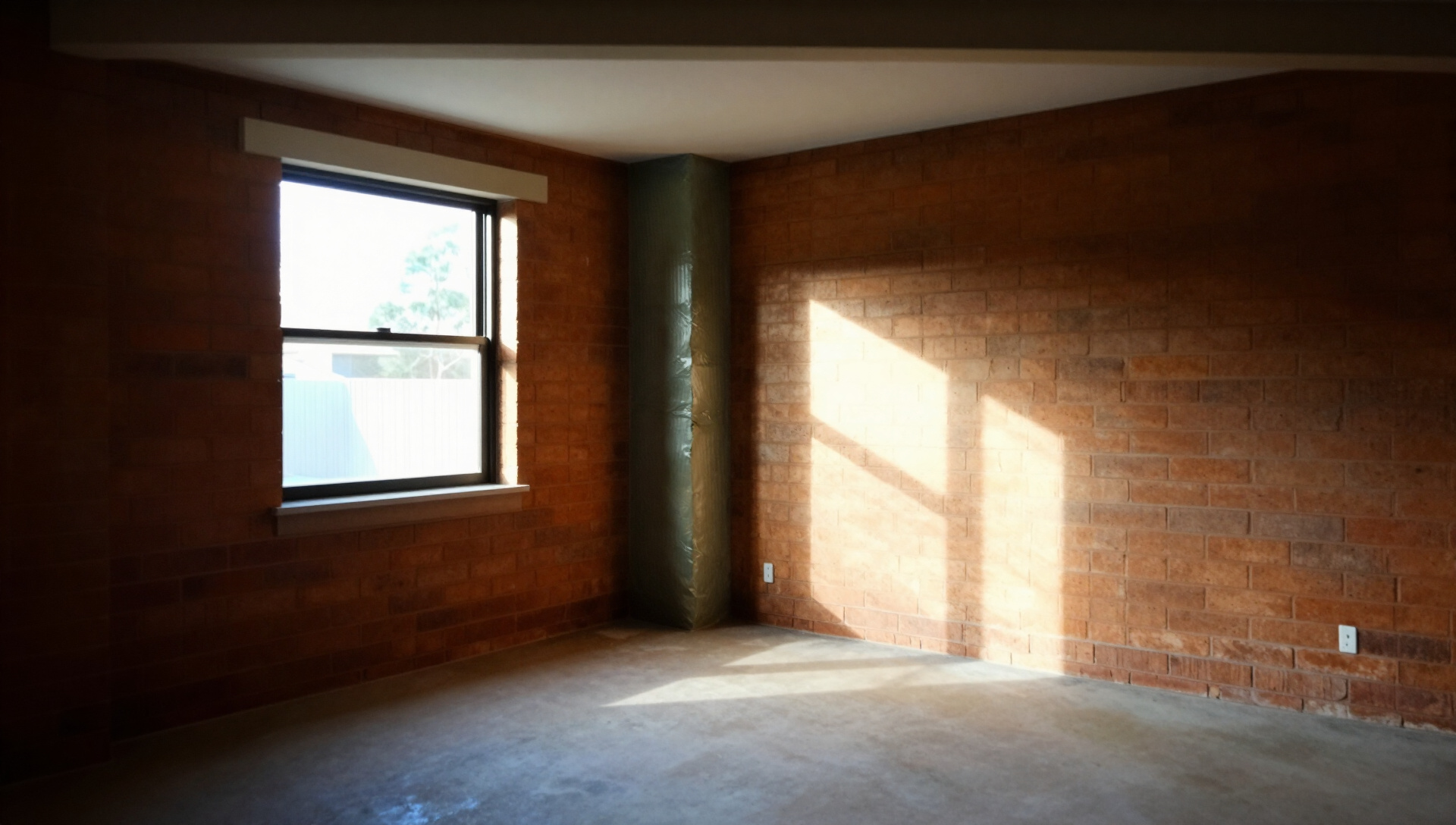
Lower Plenty’s mix of older brick veneer homes and cooler winters means many properties lose heat through uninsulated external walls. Cavity wall insulation addresses this by reducing heat transfer, cutting draughts and improving year-round comfort.
Uninsulated brick veneer walls let heat escape quickly in winter. Cavity insulation slows this loss, keeping living areas warmer and reducing reliance on heating.
The same cavity that traps air in winter also blocks radiant heat in summer, helping your home stay cooler during hot spells.
Gaps in brickwork and around windows can let cold air in. Cavity insulation seals these paths, making your home feel less drafty.
By stabilising indoor temperatures, cavity wall insulation reduces the workload on heaters and coolers, lowering energy use and costs.
Unlike wall batts, cavity insulation is installed from the outside, so there is no need to strip plaster or relocate furniture.
Once installed, the material remains in place and does not settle or compress over time, maintaining its thermal resistance.
The installation is a clean, efficient process that typically takes a day for an average Lower Plenty home. Here is what to expect.
We first assess your walls to confirm they are brick veneer or a suitable double brick type with a clear cavity. We also check for moisture issues or existing damage that could affect the job.
Small holes are drilled in the mortar joints at regular intervals around the external walls. These are just large enough to insert the injection nozzle.
Insulation material is blown into the cavity under controlled pressure to ensure even coverage. We work methodically from the bottom up to avoid gaps or voids.
The access holes are filled with colour-matched mortar to restore the wall’s appearance. Any excess material is cleaned away, leaving your home as we found it.
Lower Plenty has many brick veneer homes built in the 1960s to 1990s that were not originally insulated. These properties often sit on larger blocks with exposed external walls, making them good candidates for cavity wall insulation. The suburb’s cooler winters and proximity to the Plenty River mean homes here benefit from the extra thermal resistance and draught reduction that cavity insulation provides.
Cavity wall insulation for brick veneer homes in Lower Plenty to improve thermal comfort and reduce energy costs.
Homeowners in Lower Plenty often have questions about how cavity wall insulation works, whether their home is suitable and what the process involves. Here are the answers.
Cavity wall insulation is a cost-effective way to improve the thermal performance of brick veneer homes in Lower Plenty. Many properties in the suburb were built without wall insulation, leaving external walls as a major source of heat loss in winter and heat gain in summer. By filling the cavity between the inner and outer leaf of the wall with insulating material, you can reduce energy use, cut draughts and create a more comfortable indoor environment.
The process is non-invasive and does not require removing internal wall linings. Instead, small holes are drilled in the mortar joints, and the insulation is injected into the cavity. This method is particularly suitable for Lower Plenty’s older brick veneer homes, where retrofitting bulk insulation would be impractical. The typical R-value for cavity wall insulation ranges from R2.0 to R2.7, providing a noticeable improvement in thermal resistance.
Before installation, we check that your walls are suitable for cavity insulation. This includes confirming the wall type, assessing the cavity width and ensuring there are no moisture issues. If old insulation is present and might contain asbestos, work stops until a qualified asbestos assessor inspects it. Once installed, cavity wall insulation requires no maintenance and delivers long-term benefits for your home’s comfort and energy efficiency.
Improve the thermal performance of your brick veneer home in Lower Plenty with cavity wall insulation. Call Expert Insulation Melbourne on 0399695249 or email info@expertinsulationmelbourne. com. au to arrange an inspection and quote.