
Lower heating and cooling costs
Ceiling insulation reduces heat loss through the roof by up to 45 percent in winter. This directly cuts the workload on heaters and air conditioners, saving on energy bills.
Lower Plenty
Ceiling insulation in Lower Plenty cuts winter heat loss through the roof space. We install glasswool or polyester batts between your ceiling joists to improve thermal resistance and lower heating costs.
Share your details and Expert Insulation Melbourne will contact you about Ceiling Insulation in Lower Plenty.
Ceiling insulation is the most effective way to stop heat escaping through the roof space in Lower Plenty. Batts are laid between the ceiling joists to trap still air and improve thermal resistance. Older homes with thin or compressed batts often need topping up to restore performance.
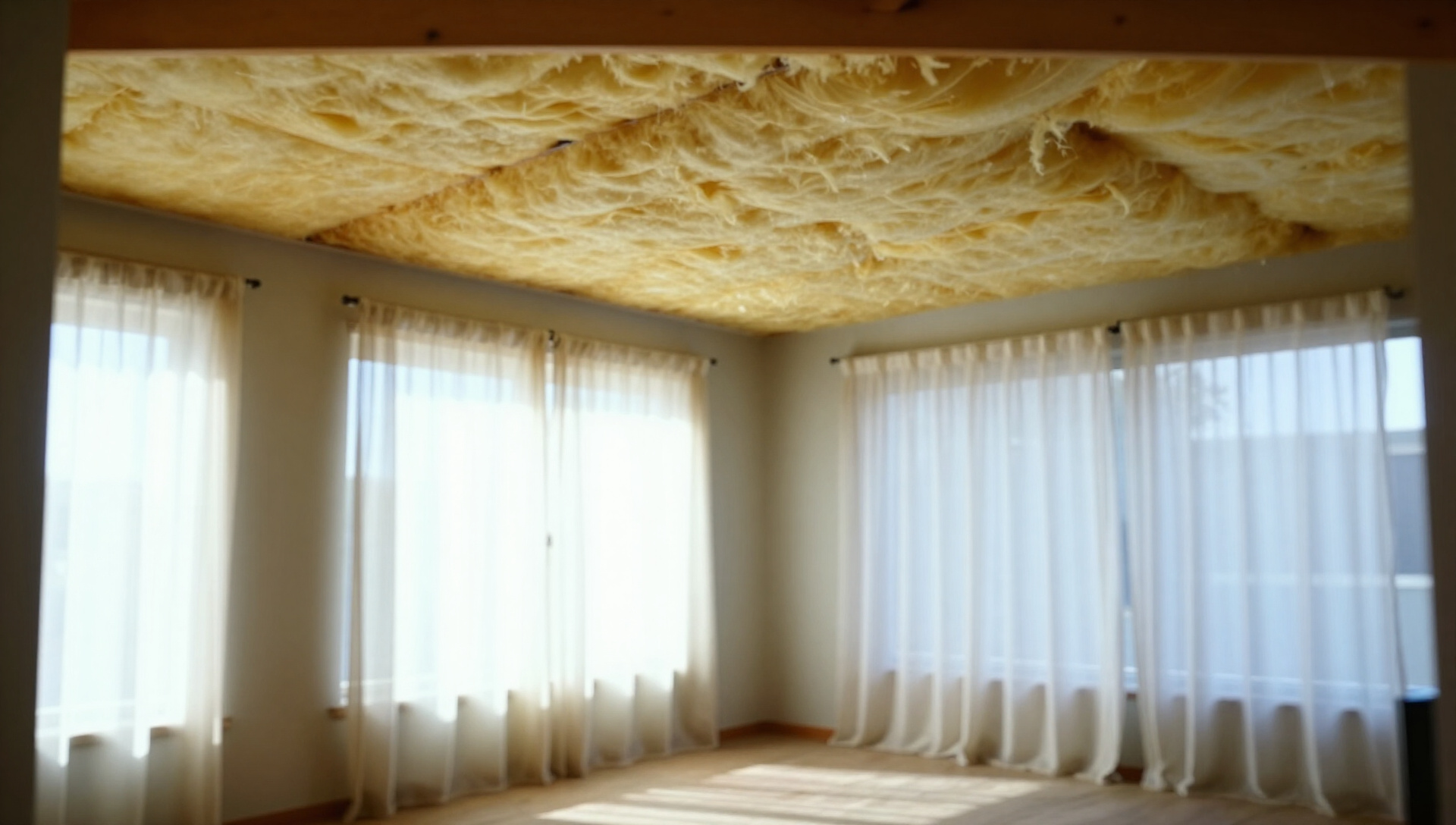
Lower Plenty’s cold winters and hot summers make ceiling insulation essential. A well-insulated roof space keeps warmth in during winter and reduces summer heat gain, lowering energy bills year round.
Ceiling insulation reduces heat loss through the roof by up to 45 percent in winter. This directly cuts the workload on heaters and air conditioners, saving on energy bills.
Even thermal resistance across the ceiling prevents cold spots and draughts. Rooms stay warmer in winter and cooler in summer without relying on heating or cooling systems.
Properly installed batts with a vapour barrier help manage moisture in the roof space. This reduces the risk of condensation forming on cold surfaces and damaging timbers.
Quality glasswool or polyester batts retain their thickness and R-value over time. They do not sag or compress like older materials, maintaining thermal performance for decades.
Bulk insulation in the ceiling also absorbs airborne noise from outside. This is noticeable in Lower Plenty homes near main roads or in areas with heavy rain on metal roofs.
Homes with effective ceiling insulation are more attractive to buyers. It signals lower running costs and better comfort, which can improve resale value.
We follow a straightforward process to ensure your ceiling insulation is installed correctly and safely. Access, product choice and clearances are all checked before we start.
We enter the roof space via the manhole or hatch to assess the existing insulation, joist spacing and any obstructions like cables or downlights. This determines the right product and R-value for your home.
If old batts are compressed, wet or damaged, we remove them before installing new material. This ensures the new insulation sits flat and performs as intended. If asbestos is suspected, work stops until an assessor inspects it.
We lay glasswool or polyester batts snugly between the ceiling joists, butting them together without gaps. Batts are cut to fit around obstacles and clearances are maintained around downlights and flues as required.
We remove all offcuts and debris from the roof space and seal the manhole. A final inspection confirms the insulation is evenly laid and clearances are correct.
Lower Plenty has a mix of older weatherboard homes and newer builds, many with suspended ceilings and accessible roof spaces. Ceiling insulation is particularly effective here because the roof space is the main path for heat loss in winter. Homes near the Plenty River or in exposed positions benefit from the added thermal barrier against cold winds and summer heat.
Stop winter heat loss through your roof space with ceiling insulation in Lower Plenty.
Homeowners in Lower Plenty often ask about R-values, access and whether their home needs ceiling insulation. Here are the key points to consider.
Ceiling insulation in Lower Plenty targets the main source of winter heat loss in homes. Batts installed between ceiling joists in the roof space trap still air, improving thermal resistance and reducing energy use. Glasswool and polyester are the most common bulk insulation materials, chosen for their durability and non-combustibility.
Older Lower Plenty homes often have thin or compressed batts that no longer perform. Topping up with new material restores the R-value and stops draughts through the ceiling. We also check for clearances around downlights and flues, which must not be covered by insulation.
The cost of ceiling insulation depends on roof pitch, access, floor area and the chosen R-value. Most ceilings in Melbourne use R4.0 to R6.0 batts for effective winter warmth and summer heat reduction. A typical installation takes half a day, with minimal disruption to the household.
Improve your home’s thermal performance with ceiling insulation installed by Expert Insulation Melbourne. We service Lower Plenty and surrounding suburbs.