
Restores thermal performance
Compressed or damaged batts lose R-value, letting winter heat escape and summer heat enter. Removal clears the way for fresh insulation that works at its rated thermal resistance.
Lower Plenty
Old, compressed or damaged insulation in your roof space reduces thermal performance and can harbour dust, moisture or pests. We remove it safely from Lower Plenty homes so new insulation can do its job.
Share your details and Expert Insulation Melbourne will contact you about Insulation Removal in Lower Plenty.
Insulation removal is the process of taking out old, compressed, wet, mouldy or rodent-damaged batts and loose material from your roof space before new insulation is installed. In Lower Plenty’s older weatherboard and brick homes, this step is often necessary to restore proper thermal resistance and eliminate dust, moisture or pest issues that have built up over time.
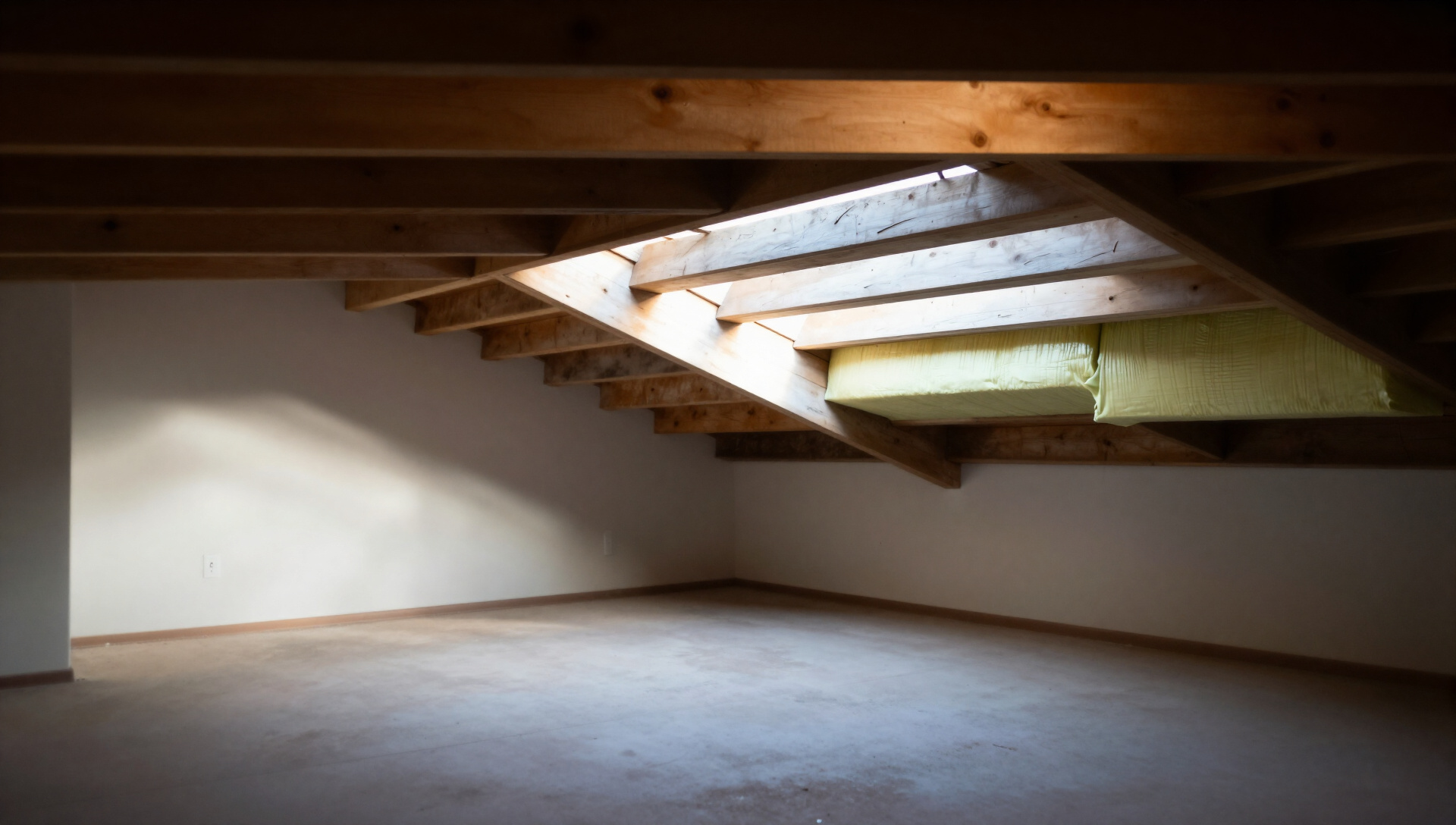
Lower Plenty’s mix of older homes and tree-lined streets means many roof spaces contain decades-old batts that have compressed, shifted or degraded. Removing them improves energy efficiency, indoor air quality and the lifespan of your new insulation.
Compressed or damaged batts lose R-value, letting winter heat escape and summer heat enter. Removal clears the way for fresh insulation that works at its rated thermal resistance.
Years of ceiling dust and loose fibres accumulate in the roof space. Removing the old material and debris reduces airborne particles that can enter living areas through gaps and downlights.
Wet or mouldy batts trap moisture against timbers and plaster. Taking them out stops ongoing damp issues and protects the structure of your home.
Rodents and insects nest in old insulation. Removal eliminates their habitat and allows you to seal entry points before new batts go in.
Old batts often sag over downlights and flues, creating a fire risk. Removal ensures required clearances are maintained when new insulation is installed.
If you’re increasing R-value or switching insulation types, the roof space must be clear. Removal provides a clean slate for bulk or reflective products suited to Lower Plenty’s climate.
We follow a systematic approach to ensure safety, containment and thoroughness. Every Lower Plenty job is tailored to the roof space layout, access and condition of the existing material.
We assess the roof space and existing insulation. If we suspect asbestos, work stops until a qualified assessor inspects it. Never assume older batts are safe to handle.
The roof space is isolated with plastic sheeting and we wear full PPE including respirators and gloves. This prevents dust and fibres from spreading into the home.
Old batts are carefully lifted from between ceiling joists and placed into sealed bags. Loose material and dust are vacuumed with industrial equipment to leave the space clean.
All removed material is disposed of according to regulations. We then check for damaged sarking, gaps around pipes and cables, and any structural issues before the new insulation is installed.
Lower Plenty’s established homes often have roof spaces that were insulated decades ago with batts that have now compressed or degraded. The suburb’s leafy setting and older construction mean dust, moisture and pests are common issues in ceiling cavities. Removing the old material is the first step to improving comfort and reducing heating and cooling costs in these properties.
Safe removal of old, damaged or compressed insulation from Lower Plenty homes to restore thermal performance and prepare for new batts.
Homeowners in Lower Plenty often ask about the need for removal, safety and what to expect. Here are the key details.
Insulation removal becomes necessary when batts in your Lower Plenty home are compressed, wet, mouldy or infested with pests. These issues are common in older properties where the original installation has degraded over time. Compressed batts lose their ability to trap still air, reducing the R-value and increasing winter heat loss and summer heat gain through the ceiling.
Another sign you need removal is visible dust or debris in the roof space, or batts that have shifted and left gaps between ceiling joists. In Lower Plenty’s weatherboard and brick veneer homes, roof spaces can also accumulate moisture from condensation or leaks, which damages insulation and timbers. Removing the old material allows you to address these problems before installing new bulk or reflective insulation.
Cost for insulation removal in Lower Plenty depends on the roof space size, access difficulty, pitch of the roof and whether the existing material requires special handling. Steep roofs, limited access and the presence of asbestos-like materials will increase the time and care required. Always get an on-site assessment to confirm the scope before proceeding.
If your Lower Plenty home has old, damaged or ineffective insulation, removal is the first step to better comfort and energy efficiency. We provide safe, thorough extraction and prepare your roof space for new batts.