
Lower heating and cooling costs
Insulated walls reduce heat flow, so your heater and air conditioner run less often. This directly lowers energy bills, especially in Lower Plenty where temperature swings are common.
Lower Plenty Wall Insulation
Wall insulation installed in Lower Plenty homes reduces winter heat loss and summer heat gain through external walls. Expert Insulation Melbourne fits batts into stud frames during renovations or new builds to improve thermal resistance and comfort.
Share your details and Expert Insulation Melbourne will contact you about Wall Insulation in Lower Plenty.
Wall insulation in Lower Plenty targets the second biggest source of heat transfer in a home after the ceiling. By fitting bulk insulation batts into the stud cavities of external walls, you slow the movement of heat through timber or brick veneer walls. This keeps living spaces warmer in winter and cooler in summer, cutting reliance on heating and cooling systems.
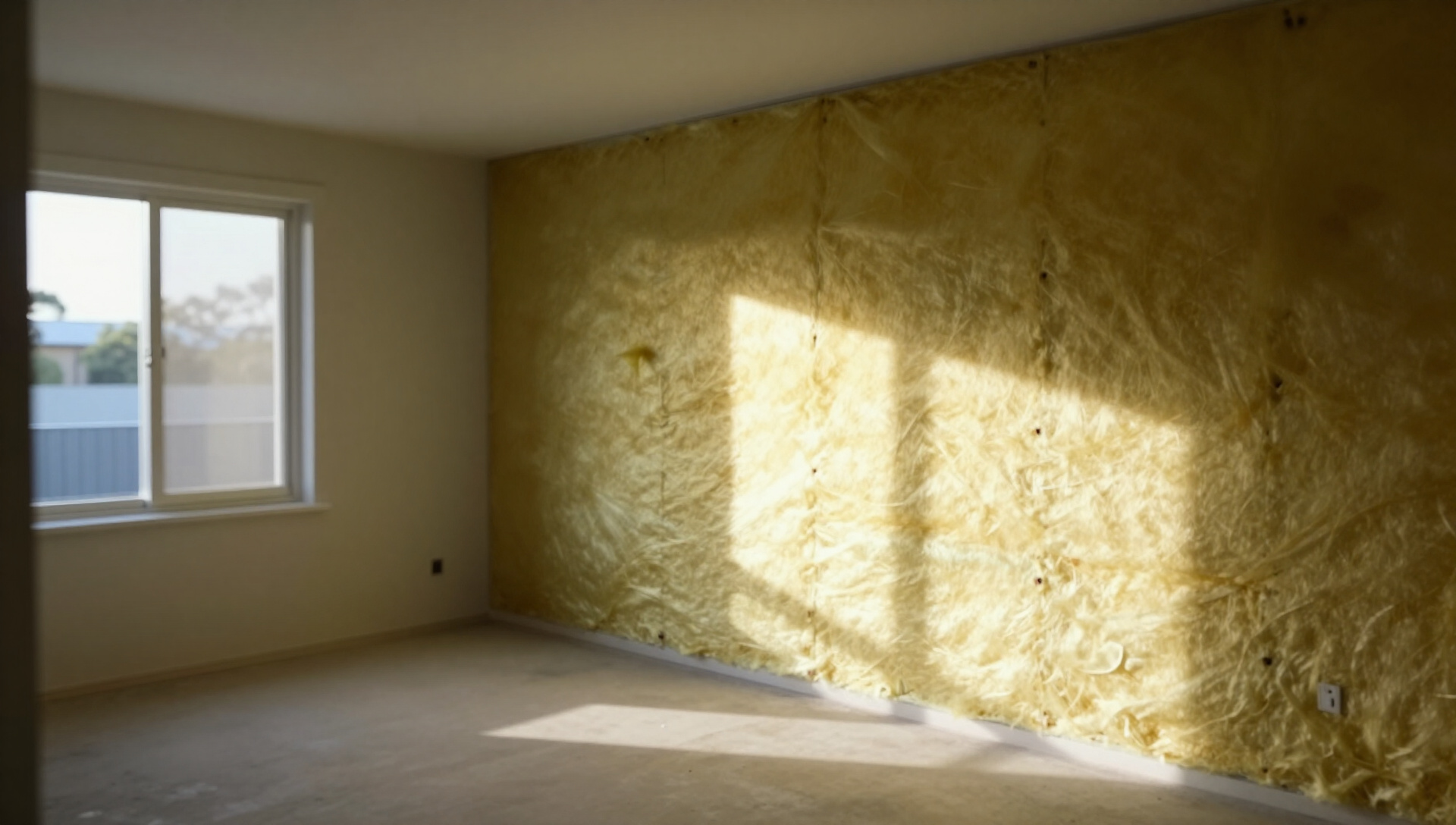
Lower Plenty’s older weatherboard and brick veneer homes often lack wall insulation, leading to cold draughts in winter and overheating in summer. Properly installed wall insulation addresses these issues by improving thermal resistance and reducing energy waste.
Insulated walls reduce heat flow, so your heater and air conditioner run less often. This directly lowers energy bills, especially in Lower Plenty where temperature swings are common.
Bulk batts trap still air in the wall cavity, slowing heat transfer. Rooms stay warmer in winter and cooler in summer without hot or cold spots near external walls.
Insulation helps regulate surface temperatures on internal walls, reducing the risk of condensation forming inside the home. This is particularly useful in Lower Plenty’s damp winters.
Acoustic batts fitted in internal walls absorb sound vibrations, cutting noise transfer between living areas, bedrooms and home offices.
Many Lower Plenty homes were built without wall insulation. Adding it during renovations or extensions brings modern thermal performance to older properties.
Wall batts are sized to fit between standard 450mm or 600mm stud centres, making installation straightforward in most timber-framed homes.
Wall insulation is fitted before the internal lining goes up, so it is typically done during renovations, extensions or new construction. The process is quick and non-disruptive when planned as part of the build.
We check the stud framing, wall type and any existing services like electrical cables or plumbing. For brick veneer, we confirm the cavity is suitable for insulation.
Bulk insulation batts are cut to fit snugly between studs without gaps or compression. For acoustic batts in internal walls, we ensure full coverage to maximise sound absorption.
Batts are friction-fit between the studs, held in place by the natural spring of the material. No staples or adhesives are needed, and the lining can be installed directly over the top.
We ensure there are no gaps around edges, pipes or cables that could create thermal bridges. Once complete, the wall is ready for plasterboard or other internal linings.
Lower Plenty has a mix of older weatherboard homes and more recent brick veneer properties, many of which were built without wall insulation. Adding insulation during renovations or extensions improves thermal performance and comfort, especially in the cooler months when heat loss through uninsulated walls is most noticeable.
Wall insulation for Lower Plenty homes reduces heat transfer through external walls, improving comfort and cutting energy costs.
Homeowners in Lower Plenty often have questions about wall insulation, especially for older homes. Here are the most common queries we answer.
Wall insulation in Lower Plenty is a practical upgrade for homes with timber or brick veneer construction. By installing bulk batts into the stud cavities, you reduce heat loss in winter and heat gain in summer, leading to lower energy bills and a more comfortable home. This is particularly effective in Lower Plenty, where older homes often lack any wall insulation at all.
The process involves fitting glasswool, polyester or rockwool batts between the studs before the internal lining is installed. This makes wall insulation ideal for renovations, extensions or new builds. Acoustic batts can also be used in internal walls to reduce noise transfer between rooms, which is useful in family homes or properties near busy roads.
Typical R-values for wall insulation range from R2.0 to R2.7, depending on the thickness of the batts and the width of the stud cavity. Higher R-values provide better thermal resistance, which is beneficial in Lower Plenty’s climate with its cold winters and hot summers. Proper installation ensures no gaps or compression, maximising the insulation’s effectiveness.
Improve your home’s thermal performance with wall insulation installed by Expert Insulation Melbourne. Call us to discuss your project in Lower Plenty.